Featured
The smart Trick of Everything to Know Throughout the Debt Forgiveness Process That Nobody is Discussing
Table of Contents
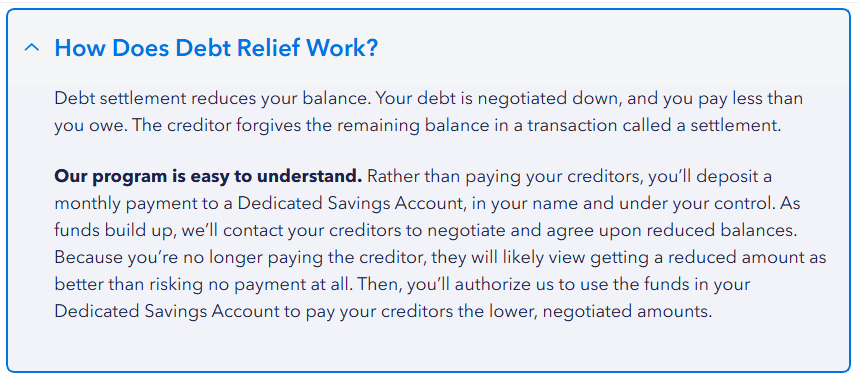
That frees up cash in the short term, and you might have three to 4 years to save towards the negotiation amount. Extremely hazardous to credit score ratings, mostly as a result of missed out on repayments and an adverse "cleared up" mark that can stay on your debt record for approximately 7 yearsMay be only choice if various other choices (financial obligation consolidation, balance transfer bank card, debt mercy) aren't possibleTypically needs a charge to the third party, which can offset some or all of the financial savings from financial obligation settlementMay help you prevent bankruptcy if you've missed out on several paymentsNot all financial institutions deal with debt settlement companies Financial obligation forgiveness might be right for you if you are experiencing a financial challenge that makes it almost impossible to pay for your financial obligation equilibriums.

With a DMP, you make one monthly payment to the credit history counseling firm. Those funds are after that dispersed to lenders of your unsecured financial debts, such as charge card and installment loans. The firm deals with your lenders to lower rates of interest or waive charges, yet some lenders may reject such giving ins.
A debt combination funding combines your eligible financial debts into one new lending. It can assist you pay down debt if you have the ability to protect a financing price that's less than the typical price of the accounts you're settling. You must avoid from racking up financial debt on those freshly removed accounts or your financial obligation can grow also greater.
That offers you lots of time to remove or substantially decrease your equilibrium while making interest-free payments.
The Regulatory Changes Impacting Bankruptcy Options Ideas
You might need it if your lender or a debt collector ever before tries to gather on the financial debt in the future. The letter can verify you do not owe what the debt collection agency's records reveal. Yes, in many cases, the internal revenue service takes into consideration forgiven financial debt as gross income. When a loan provider forgives $600 or even more, they are called for to send you Kind 1099-C.
Debt forgiveness or negotiation generally hurts your credit score. Anytime you resolve a debt for much less than you owe, it may appear as "resolved" on your credit scores record and influence your credit rating for 7 years from the day of settlement. Your credit rating can likewise drop significantly in the months bring about the forgiveness if you fall back on repayments.
The Exploring Debt Relief Options for Burdened Americans Ideas
This situation usually results from underreporting income, not filing returns on time, or disparities located during an IRS audit. The effects of accumulating tax financial obligation are serious and can include tax liens, which provide the Internal revenue service a legal insurance claim to your residential or commercial property as security for the debt.
Higher rates of interest on readily available credit history. Incomes and Financial institution Accounts internal revenue service can impose (confiscate) incomes and savings account to please the financial obligation. Lowered earnings and disruption of necessary financial processes. Property Seizure In extreme cases, the internal revenue service can seize and market residential property to cover the debt. Loss of beneficial assets and possible variation.
Social Stigma Encountering lawful activity from the IRS can carry social stigma. Work Opportunities A bad credit history rating due to strain debt can restrict employment opportunities. Government Benefits Tax debt might affect eligibility for government benefits, such as Social Security and Medicaid.
Indicators on What to Expect Throughout the Debt Forgiveness Journey You Should Know
The OIC considers a number of factors, consisting of the taxpayer's revenue, expenses, property equity, and ability to pay. Effectively working out an OIC can be complicated, requiring an extensive understanding of the IRS's standards and a strong disagreement for why your deal lines up with your capability to pay. It is necessary to keep in mind that not all applications are accepted, and the procedure calls for detailed financial disclosure.
The IRS assesses your total economic scenario, including your earnings, expenditures, asset equity, and capacity to pay. You need to likewise be existing with all declaring and settlement demands and not be in an open insolvency case. The IRS also considers your conformity history, evaluating whether you have a record of timely filing and paying tax obligations in previous years.
About The Benefits and Disadvantages When Considering Bankruptcy
The application procedure for an Offer in Compromise includes numerous detailed actions. You must finish and submit IRS Form 656, the Offer in Compromise application, and Type 433-A (OIC), a collection info statement for individuals. These kinds require thorough economic information, including information concerning your earnings, financial debts, expenditures, and possessions.
Back tax obligations, which are unpaid taxes from previous years, can significantly raise your overall internal revenue service financial debt if not attended to immediately. This debt can accumulate rate of interest and late payment charges, making the initial quantity owed much bigger with time. Failing to pay back tax obligations can result in the internal revenue service taking enforcement activities, such as releasing a tax lien or levy against your building.
It is essential to resolve back taxes immediately, either by paying the full amount owed or by setting up a settlement plan with the IRS. By taking positive actions, you can prevent the accumulation of added rate of interest and charges, and stop a lot more hostile collection activities by the internal revenue service.
One usual factor is the belief that the taxpayer can pay the total either as a swelling amount or with a layaway plan. The IRS likewise thinks about the taxpayer's income, expenditures, property equity, and future earning potential. If these aspects suggest that the taxpayer can afford to pay greater than the used quantity, the IRS is likely to deny the deal.
Post-Why Community Services Including Community Resources Can Be Fun For Anyone
It is important to provide exact and full details in your application and to seek advice from with a tax specialist to enhance the possibilities of acceptance. Taking care of internal revenue service debt can be complicated and challenging. Tax obligation specialists, such as CPAs, tax attorneys, or signed up agents, can offer invaluable aid. They have the experience to navigate the details of tax obligation regulation and internal revenue service procedures.

Table of Contents
Latest Posts

The Best Strategy To Use For Market Trends and Rising Need for Professional Help

Facts About How to Reach Is It Legal to Get Out of Debt Without Paying? Here's the Truth : APFSC Experts with the Debt Forgiveness Process Revealed
What Does Understanding Bankruptcy Types and Qualifications Mean?
More
Latest Posts
The Best Strategy To Use For Market Trends and Rising Need for Professional Help
What Does Understanding Bankruptcy Types and Qualifications Mean?